Voici votre traduction en anglais :
---
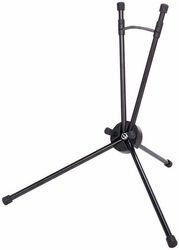
Flutes, saxophones, trumpets—discover a wide variety of instruments at Star’s Music, suitable for all ages and skill levels. Our wind instruments cater to both children and adults passionate about musical styles such as classical, jazz, marching band, or contemporary music. Whether you're a soloist or part of an orchestra, find top brands like Hohner, Fusion, and K&M at Star’s Music for your wind instrument purchase.
Woodwind or Brass Instruments: What’s the Difference?
Woodwind instruments produce a soft, warm, and often more intimate sound. Their timbre is typically round and expressive, ideal for smooth melodies and delicate passages. For example, a clarinet delivers a velvety tone, while a flute glides through registers with a pure and airy sound. Their rich nuances allow for great expressiveness, particularly in lyrical or melancholic contexts.
On the other hand, brass instruments offer a powerful, brilliant, and expansive sound. Their timbre is much more percussive, with a strong projection suited to large spaces and heroic or majestic passages. A trumpet stands out for its bright and incisive character, whereas a French horn exudes a warm and mysterious resonance. Brass instruments are particularly suited to dramatic or triumphant effects, contrasting with the finesse of woodwinds.
What Are the Different Types of Wind Instruments?
- Saxophones: Alto, tenor, baritone, soprano—adapted to various musical styles.
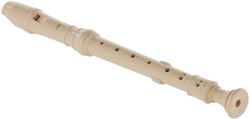
- Flutes: For beginners and advanced players, available with straight or curved head joints.
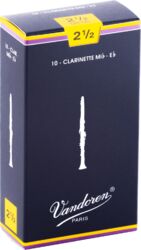
- Clarinets: Primarily in B-flat, ideal for both learning and advanced practice.
- Trumpets: Made of brass, offering a bright and powerful sound.
- Trombones: Slide trombones, suitable for classical and jazz music.
- Electronic wind instruments: Models like the Yamaha YDS-150 and Akai EWI5000 for versatile and silent use.
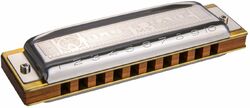
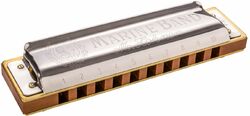
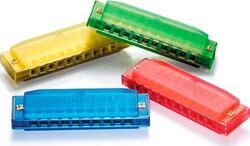
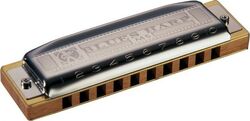
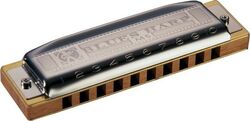
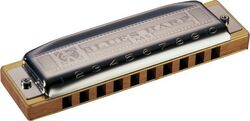
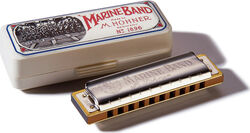
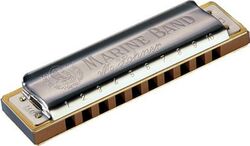
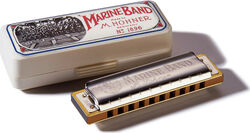
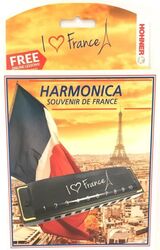
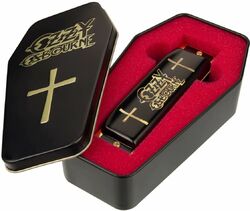
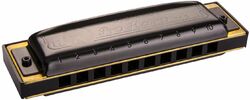
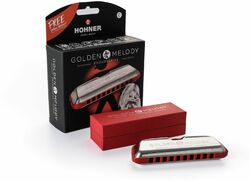
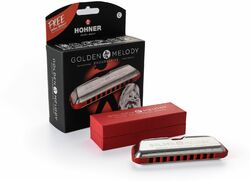
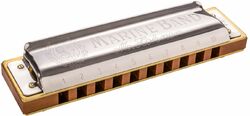
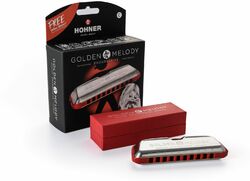
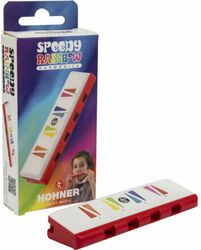
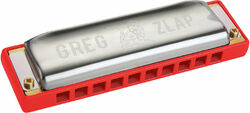
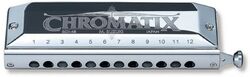
- Harmonicas: Diatonic and chromatic, perfect for blues, folk, and other styles.
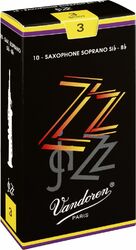
- Accessories: Reeds, mouthpieces, ligatures, cases, and maintenance products.
How to Choose Your First Wind Instrument?
When selecting your first wind instrument, start by defining the musical style you wish to play, such as jazz, classical, or marching band. Consider your age, physique, and budget, opting for a lightweight and affordable instrument if you're a beginner. Try different models to find the one that feels most comfortable. Playing comfort is essential for quick progress and long-term enjoyment.
Wind Instruments Through the Ages
The earliest wind instruments date back to prehistoric times, when flutes were made from bones or hollowed-out reeds. In antiquity, civilizations such as the Egyptians, Greeks, and Romans used wood and metal wind instruments like the aulos or the Roman trumpet for ceremonies and battles.
During the Middle Ages and the Renaissance, these instruments evolved with the addition of keys and mechanisms to expand their tonal range, leading to the development of instruments like the transverse flute or the cornett. With the Industrial Age, modern materials and manufacturing techniques enabled the creation of the wind instruments we know today, such as the saxophone and contemporary brass instruments, used in musical styles ranging from classical to jazz.